Block Puzzle


What Is Block Puzzle
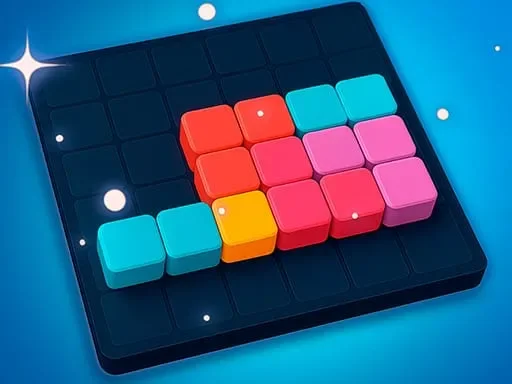
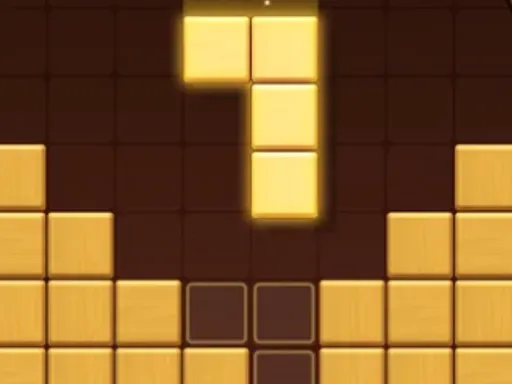
Block Puzzle is a shape fitting logic game played on a square grid. You receive a few pieces at a time, drag them into open spaces, and clear room by completing full rows or columns. The rules are easy to understand in one short round, but the game becomes deeper when the board starts to tighten. Every placement changes your future options, so simple moves can have lasting consequences.
The game feels different from fast falling puzzle games because it usually does not rush you with a timer. You can pause, study the board, and think about where each piece belongs. That slower pace makes it relaxing on the surface, but the strategy becomes real once you start protecting open space and planning around awkward shapes.
If you have seen Block Puzzle on other browser game sites, the familiar appeal is still the same here: place pieces carefully, clear lines often, and avoid building a board that traps you later.
How to Play in Your Browser
On this site, you can start Block Puzzle in your browser without downloading or installing anything. That makes it a great puzzle for short breaks and repeat play. A new round begins quickly, and if you lose, you can restart right away and try a better approach.
Your goal is to place the available pieces so they complete horizontal or vertical lines. When a line is filled, it disappears and opens more room. The run ends when none of the current pieces can fit on the board. Because of that, the game rewards planning more than speed. You are not just solving the move in front of you. You are protecting future space.
Block Puzzle works especially well in a browser because the controls are direct and the game state is easy to read. On desktop, you can drag pieces with a mouse or trackpad. On mobile, touch controls feel natural because the core action is simply dragging shapes into place. The clear interface and short rounds make it easy to return anytime.
Controls and Core Rules
The controls are straightforward. Pick up a piece from the tray, move it over the board, and drop it into a valid empty area. Most versions show several pieces at once, often three, and you place all of them before receiving a new set. The board usually stays fully visible, which helps you think ahead.
A row or column clears as soon as it is completely filled. Some versions offer score bonuses for clearing more than one line at once, but the main challenge stays the same. Keep the board flexible for as long as possible. One detail that catches many beginners is that pieces often cannot be rotated. That means small gaps and uneven spaces become dangerous very quickly.
High scores usually come from stable board management, not flashy risks. Clearing lines matters, but surviving longer matters more. The best runs happen when you avoid panic, leave room for larger shapes, and make choices that still look good two or three moves later.
Tips for Better Runs
The most useful habit is to protect the center of the board. Large or awkward pieces often need open space, and the middle gives you the most flexibility. Corners and edges are better places for storing shapes that would otherwise break the board into messy sections.
It also helps to avoid tiny isolated holes. A single empty square or a narrow broken pocket might look harmless now, but it can become unusable later if the right shape never appears. Smooth board shapes are safer than jagged ones. Before placing anything, check the full tray and ask which order keeps the board healthiest after all current pieces are used.
Another strong habit is patience. When the board looks crowded, many players rush into the first move that fits. That usually makes things worse. Slow down, compare a few placements, and choose the one that leaves the most options. A low scoring move can still be the best move if it saves the run.
Common beginner mistakes
New players often chase one immediate line clear while ignoring what the next two pieces will do. They also stack shapes unevenly and create holes underneath them. The fastest way to improve is to think in short sequences instead of isolated turns. Ask not only where a piece fits, but what kind of board it leaves behind.
Why Block Puzzle Stays Popular
Block Puzzle remains popular because it turns a very small rule set into a satisfying challenge. Anyone can understand it quickly, yet strong play still feels earned. The game also fits many moods. It can be a quiet puzzle for a few spare minutes, or it can become a serious personal best chase when you want to focus.
That balance gives the game broad appeal across desktop and mobile players. The rules stay readable, the feedback is immediate, and every run offers a chance to learn something small about shape management and timing. Few puzzle games are this accessible while still giving players clear room to improve.
Common Questions About Block Puzzle
Is Block Puzzle easy to learn?
Yes. Most players understand the goal after one short round. The challenge comes later when the board becomes crowded and space matters more.
Can I play without installing anything?
Yes. Browser versions are designed for quick access, so you can start playing directly on the page without downloading an app.
Why does the game end when I still see empty squares?
The run ends when none of the available pieces can fit the remaining spaces. Empty cells alone are not enough if the shapes do not match.
Is the game based on luck?
Piece order affects each run, but strategy matters more over time. Players who protect space and avoid awkward gaps consistently last longer.
What is the best tip for beginners?
Keep the board open and think about the whole tray, not only the current piece. Good planning usually beats rushed scoring.
Does Block Puzzle have a final level?
Classic versions are usually endless. The goal is to survive, improve your score, and keep the board workable for as long as possible.
Start a New Run
Block Puzzle is easy to enter, comfortable to play in a browser, and surprisingly deep once you start thinking a few moves ahead. If you enjoy clean puzzle design, satisfying line clears, and steady improvement over time, it is a great game to revisit again and again.
Comments
Loading comments…